Multimodal Video Intelligence

Turn any long-form video into structured notes

LectureAI analyzes speech, slides, diagrams, equations, and code so recruiters, students, and teams receive timestamped notes they can trust.

GPT-5.6 ReasoningDeepgram Nova-3Visual UnderstandingTimestamped NotesPDF Export

Example Output

From lecture video to polished PDF notes.

Lecture Input

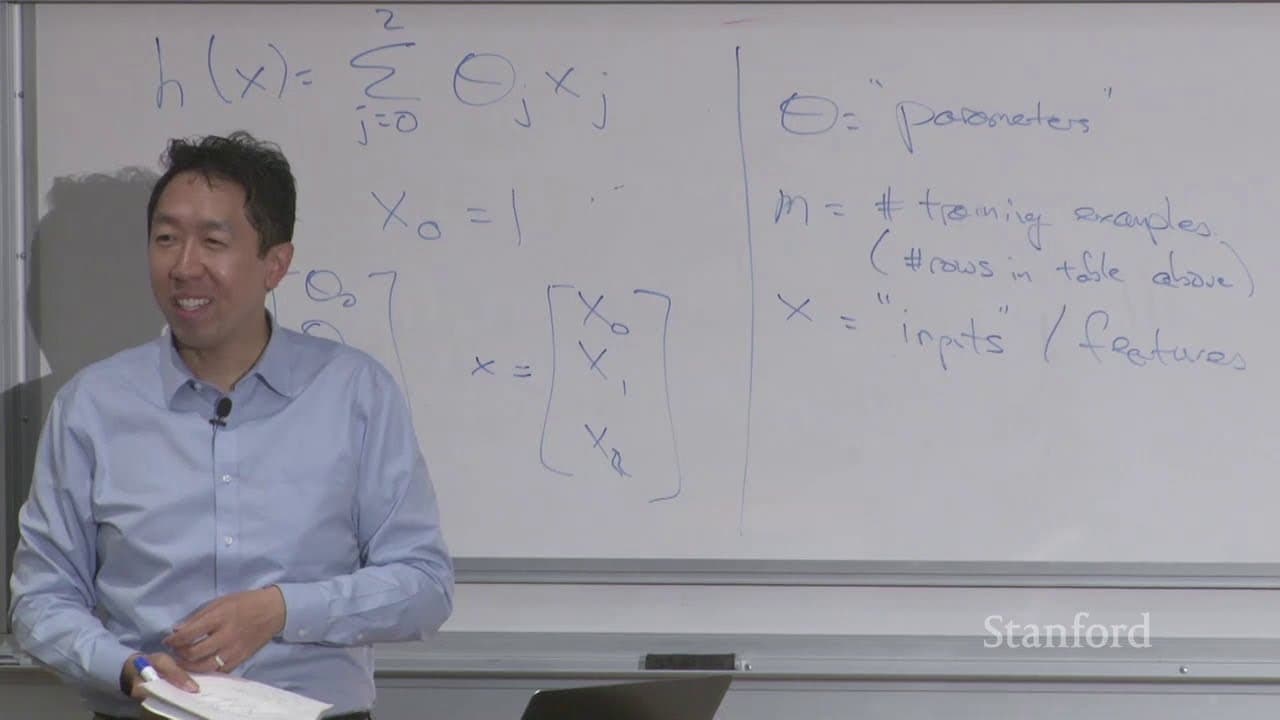
Thumbnail for lecture video

Original lecture video

AI Processing

Multimodal understanding

Speech • Slides • OCR • Visual reasoning

Generated Notes

Real export produced by LectureAI

The Intelligence Pipeline

How raw video becomes actionable knowledge.

Video

Raw lectures, meetings, and tutorials enter the system.

Transcription

Speech is aligned into searchable, timestamped text.

Visual Understanding

Slides, diagrams, and screen context are interpreted.

Multimodal Fusion

Audio and visual signals are reconciled into one model.

Structured Intelligence

Clean notes, snippets, and decisions are generated.

Features

Powerful Extraction

Everything needed to turn dense educational video into reusable knowledge without losing context.

Automatic Transcription

Perfect sync, every word captured.

Whisper-level accuracy across languages, capturing lecture context automatically.

Professor Chen [00:12:04]

“Gradient descent updates each weight by moving against the slope of the loss function, so every pass through the data makes the model slightly less wrong.”

Visual Analysis

Slide Detection

Automatically captures key slide transitions and embeds them into your notes.

Code Extraction

Executable Snippets

Identifies code blocks shown on screen and converts them to formatted text.

import numpy as np

def softmax(logits):
    exp = np.exp(logits - logits.max())
    return exp / exp.sum()
Key Takeaways

Intelligent Summarization

Condenses hour-long lectures into 5-minute reads, highlighting core concepts and actionable items.

  • • Backpropagation computes useful error signals.
  • • Learning rate controls update stability.
  • • Regularization reduces overfitting on small datasets.